Bring Us the Difficult Part.
CoreStack engineers technology for iGaming — building new products, platforms and capabilities, extending existing systems, and modernising technology the business has outgrown.
Build. Extend. Modernise.
Most of what we're asked to do falls into one of three situations: something that doesn't exist yet, something working that needs to do more than it currently can, or something still running that has become the constraint on the business.
Build
Something that does not exist yet: a new platform, a new product, a piece of gameplay technology, or a capability the business can't yet describe cleanly. We work from the actual engineering problem rather than a template, bringing the platform fundamentals most new gaming technology ends up needing regardless of what's actually new about it.
Extend
Something already works, but needs to do more than it was built for — a new integration, a new kind of gameplay, real-time behaviour it was never designed around, or intelligence layered onto data it already collects. We add that capability around the existing system instead of rebuilding it to get there.
Modernise
A system can keep running long after it stops being easy to change. That's usually what modernisation means here — not a rewrite by default, but untangling a platform enough to move again: replacing one component at a time, migrating piece by piece, sometimes running the old and new side by side until the old one can be switched off. The data, integrations and business logic that still work carry over; what has become the constraint doesn't.
Across the Stack. And Beyond It.
Some of what we work on sits deep in the platform. Some of it is in the game itself, or the data behind it, or a piece of technology that hasn't settled into a standard category yet. We don't treat those as different kinds of work.
Game & Product
Gameplay systems, real-time and multiplayer mechanics, and new product capabilities that don't exist as a service yet.
Platform & Transactions
RGS, sessions, rounds, wallets, transaction flows, bonusing, and the platform services that hold a game together underneath.
Integration & Operations
Operators, aggregators, third-party systems, back office, reporting and reconciliation.
Data & Infrastructure
Analytics, cloud, deployment, and the observability that keeps a platform running once it's live.
Some of it doesn't sit inside any one layer:
Sound Familiar?
We have the games.Not the platform underneath them.
The platform works.Changing it has become the problem.
Every new operator integrationtakes too much engineering.
We can't test thiswithout someone else's environment.
The product idea is clear.The technology to make it work isn't.
One part of the system needs replacing.The rest can't stop while we do it.
A Few Things We've Built.
Remote Gaming Server
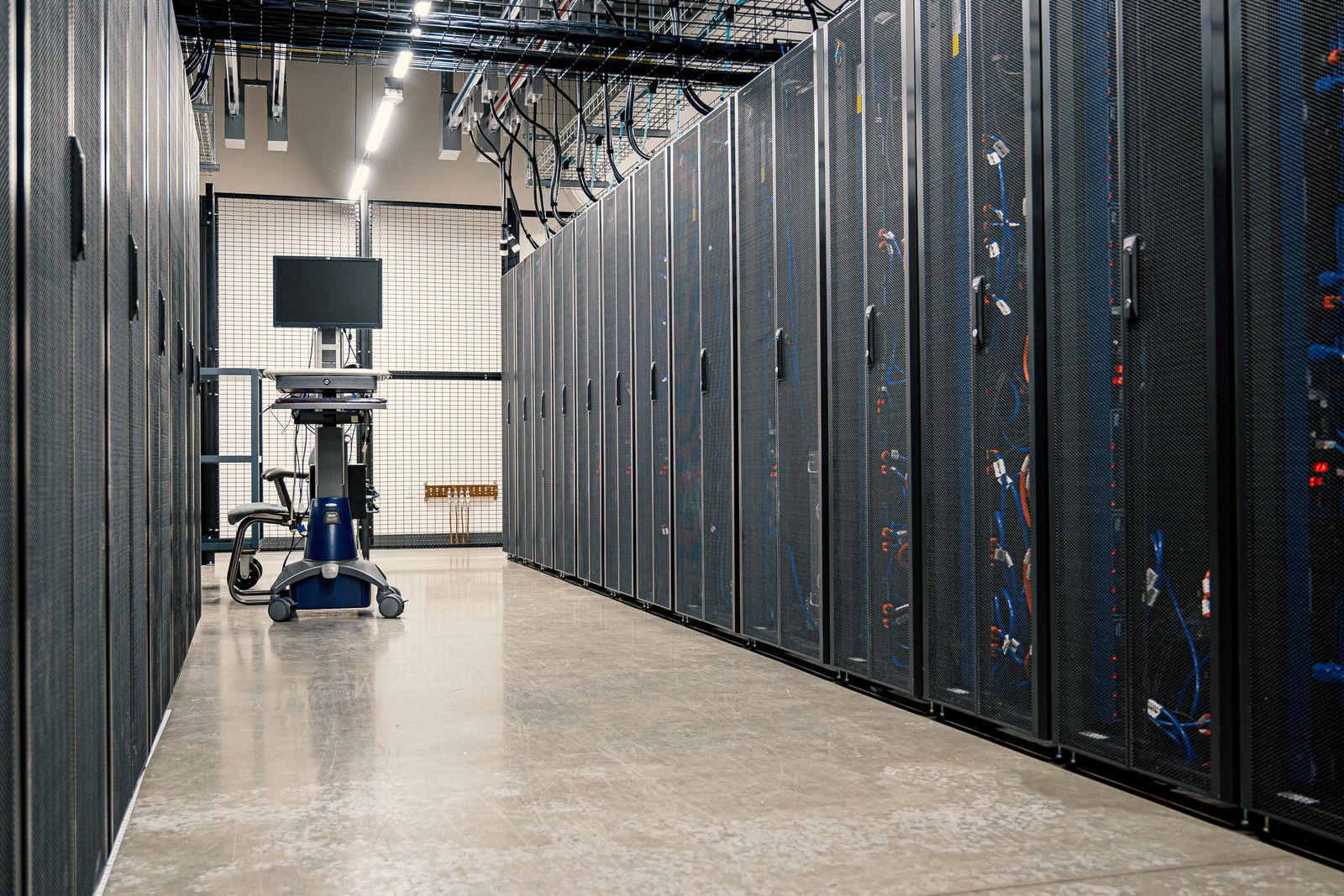
A studio had games taking shape but no platform underneath them: nothing to launch a session, manage a round, move a transaction, or connect to an operator. We built the Remote Gaming Server infrastructure that made distribution possible, including game launch, sessions, wallet interaction, and the operator integration and operational tooling around it.
We also build our own RGS platform. Explore SPHINX →
Mock Operator Environment
Integration and QA work depended on a live operator environment being available, which made some failure conditions hard to reproduce on demand. We built a controllable mock operator environment so engineering and QA could exercise integration behaviour, including edge cases and failure states, without waiting on someone else's system.

Tournament Poker
An unusual tournament poker concept existed only as an idea: pre-simulated tournament structures and player journeys with no system to run them. We built the engineering underneath it, turning a specific and unconventional format into a working product rather than adapting an existing poker platform to fit.
A Few Practical Questions.
Bring Us the Difficult Part.
If there's an iGaming engineering problem worth talking through, let's talk.